A dead tree beside your driveway may have stood unchanged for just long enough to make you feel comfortable about postponing its removal. Still, that sense of security can quickly disappear when a dry limb drops near your parked car on a calm afternoon.
Design Tree Maintenance presents this guide to explain why removal is often safer than ignoring a dead specimen. When the time comes, the team can execute a prompt dead tree removal in Phoenix, AZ.
Why Dead Trees Become Structurally Unstable
The trees in your yard rely on living roots and flexible wood to remain stable. After death, however, decay organisms gradually weaken the wood and roots, reducing the tree’s structural integrity. The trunk may stay upright during this process, so you cannot judge the tree’s remaining strength by appearance alone.
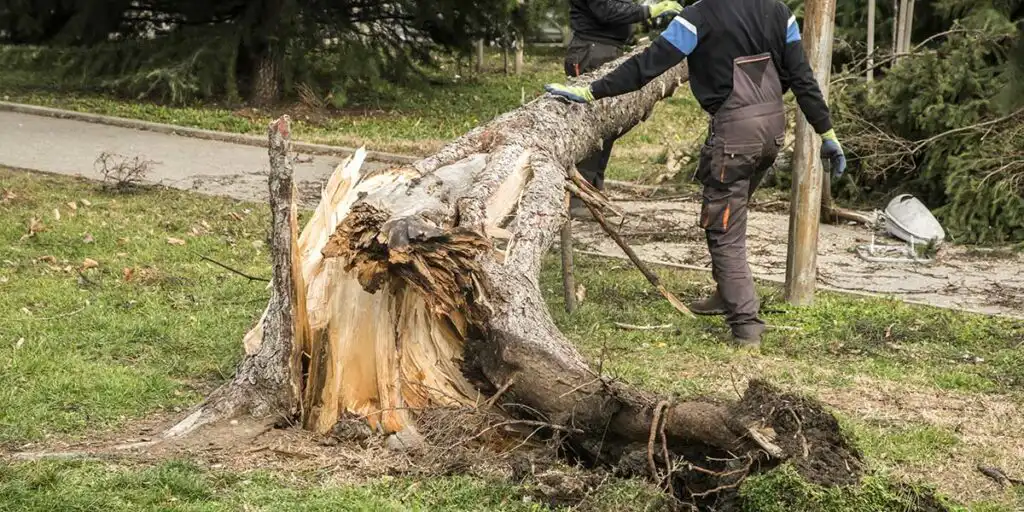
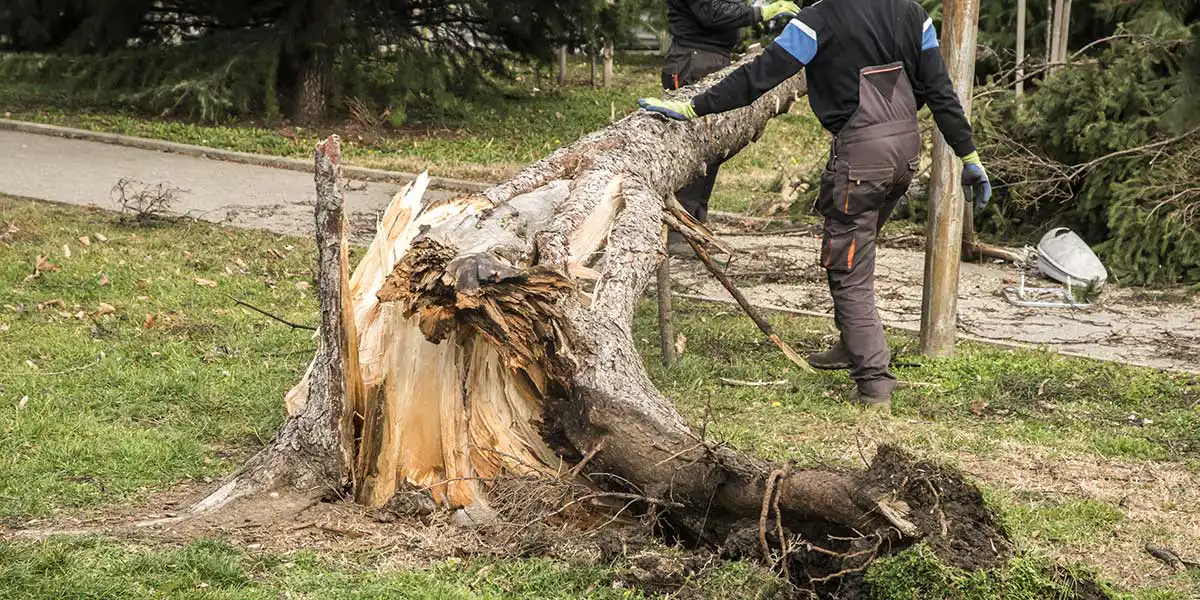
Dry limbs lose flexibility, so even moderate wind can snap them and create a risk of falling branches. As root decay weakens the tree’s hold beneath the soil and the deterioration advances, the position also becomes less predictable.
How To Recognize Signs a Tree May Be Dead
Recognizing the signs of a dead tree can help you decide when to request a professional assessment. Professionals look at the following factors before recommending a dead tree removal:
- Canopy response: Compare the tree with healthy examples of the same species during a normal growing season, since missing foliage alone is inconclusive.
- Bark condition: Widespread bark loss or no green tissue beneath a small scratch may indicate dead wood.
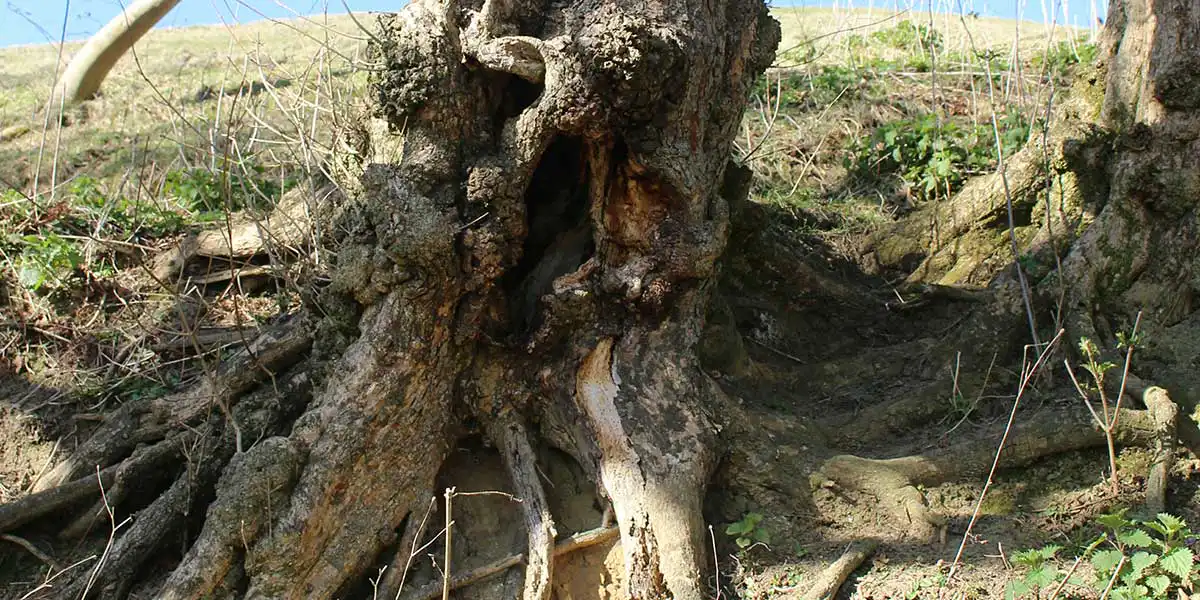
- Trunk condition: Deep vertical cracks or hollow sections can point to serious internal deterioration.
- Root stability: A new lean or fungal growth around the base may indicate weakened roots.
A professional diagnosis can confirm whether removal is necessary and how urgently it should proceed.
How the Tree’s Location Changes the Level of Urgency
Location may affect how urgently an arborist removes a dead tree. One close enough to strike your home may require prompt dead tree removal, while one standing in an unused, open area may pose less immediate risk. Urgency also increases when the potential fall path crosses a driveway or neighboring property.
Consider how frequently people enter the impact zone. Could a fallen tree block the exit? Nearby utility lines add extra danger.
Risks That Grow When Tree Removals Are Delayed
Tree hazards can compromise property safety in several ways:
- People nearby: A detached limb or collapsing trunk can injure a person.
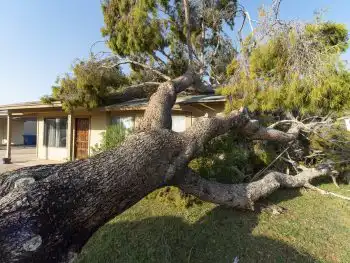
- Buildings and vehicles: Falling wood can damage a roof or a parked vehicle.
- Landscape health: Decaying wood can harbor insects or disease that may spread to nearby living plants.
Addressing a dead tree early with a planned removal can help prevent a costly emergency.
What Tree Professionals Assess Before a Removal Job
A professional tree service provider typically evaluates the following before cutting begins:
- Access route: Crews need a clear equipment route, especially when gates or narrow side yards restrict access.
- Equipment setup: Ground space determines where machinery or rigging can be positioned safely without placing unnecessary pressure on unstable soil.
- Removal sequence: The tree’s height and nearby obstacles guide which sections should come down first.
- Site protection: Crews should take measures to protect vulnerable surfaces and healthy plants near the tree.
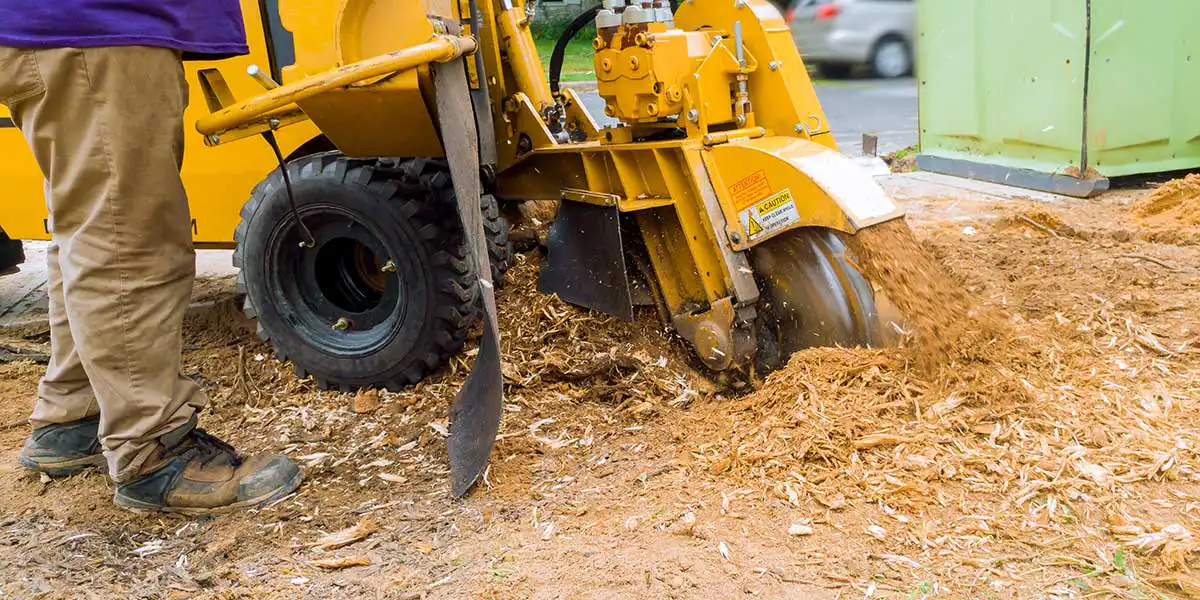
- Debris plan: Removed wood pieces need a defined landing area and a safe route off your property.
Careful worksite planning supports a safe, prompt dead tree removal and protects your property.
How Prompt Tree Removals Remain Controlled
Controlled removal depends on a secure work zone and a carefully sequenced dismantling plan.
Preparing the Work Zone
Before cutting begins, crews restrict access and establish a clearly marked zone. The crew positions its equipment on stable ground and confirms the communication procedures. This preparation keeps bystanders outside the potential drop zone and coordinates movement throughout the removal.
Dismantling the Tree in Sections
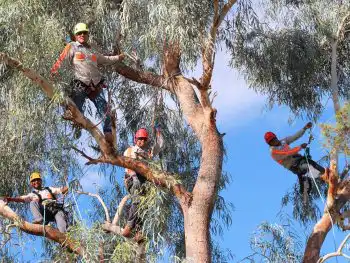
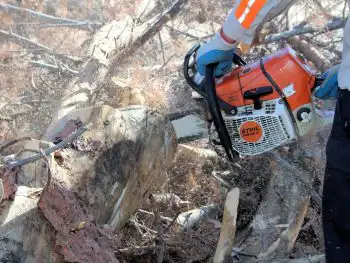
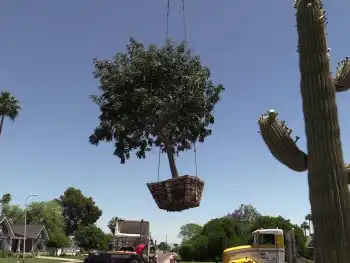
When space is limited, or the tree is unstable, the crew may dismantle it from the top down, piece by piece. Ropes or mechanical equipment guide each cut section as it is lowered. The remaining trunk is then cut into manageable lengths and loaded up.
Protect Your Property With Design Tree Maintenance
Why wait for a visible collapse to leave you reacting to a dangerous situation when you can stay safe with a prompt dead tree removal in Phoenix, AZ? Severe weather can expose the risks posed by a weakened specimen, so if you are unsure whether a specimen is dead or dormant, it is best to speak to professionals like Design Tree Maintenance. Call (623) 587-8170 to arrange a prompt dead tree removal in Phoenix, AZ, or learn more.