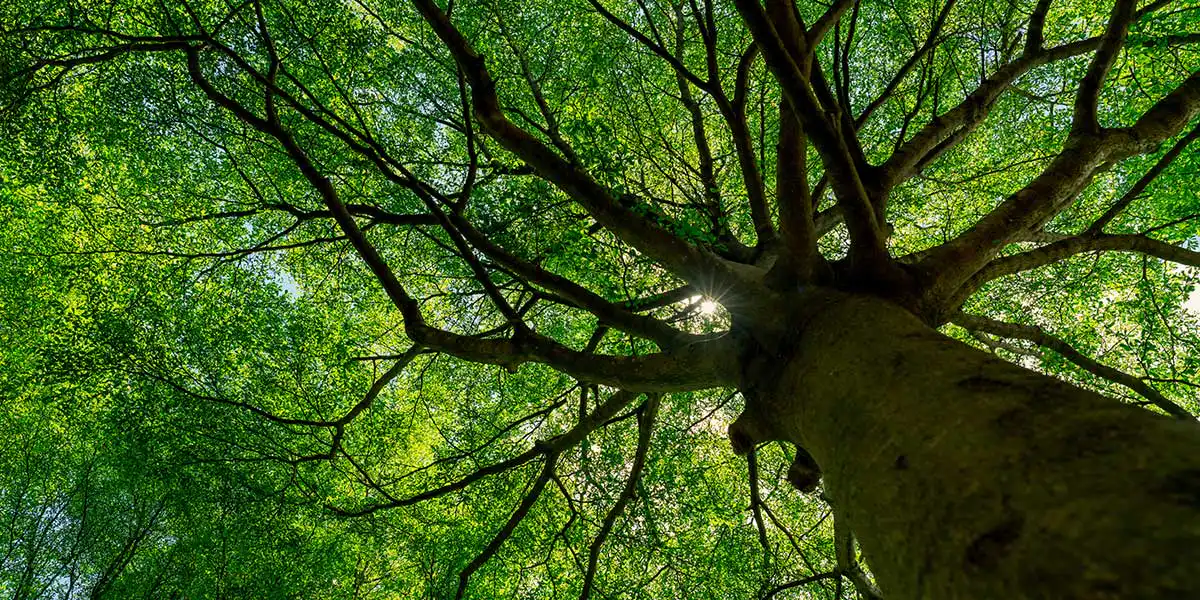
A leafless tree can be alarming, especially when the branches appear dry or brittle. During the winter, however, many trees stop visible growth to conserve energy, even in Arizona. In many cases, the tree may be dormant.
If you are wondering, “Is my tree dead or dormant?” a closer look can help you decide. Design Tree Maintenance explains why trees enter dormancy and when tree removal may be needed.
Why Trees Enter a Resting Phase
Trees use dormancy to survive colder weather and reduced sunlight. Growth slows as the tree conserves energy through the season. A dormant tree is not necessarily dying. It may simply be waiting for warmer conditions to produce new growth.
Simple Ways To Confirm Dormancy
Use the following checks on different parts of the tree before judging its condition. Each one helps show whether the branches still have living tissue:
- Scratch test: Gently scrape a small spot on the outer bark. Moist green tissue underneath usually means the branch is alive.
- Bud inspection: Check branch tips for firm leaf buds. Healthy buds often show the tree is preparing for seasonal growth.
- Flexibility check: Gently bend a thin twig between your fingers. Living twigs usually flex, while dead twigs often snap easily.
Warning Signs of a Dying Tree
Basic checks may not fully answer your question, “Is my tree dead or dormant?” These additional signs can help you spot deeper problems:
- Peeling or cracked bark: Large sections of bark may fall away, exposing dry wood. This can point to decay beneath the surface.
- Fungus growth: Mushrooms near the base of the trunk can signal root decay. They may also point to rotting tissue inside the tree.
- No spring leaves: A tree that stays bare after nearby trees leaf out may be dead. This is more concerning when the buds are dry.
How To Care for a Dormant Tree
If your checks indicate dormancy, focus on protecting roots and branches during the colder months. The right off-season care can limit stress and reduce the risk of tree diseases.
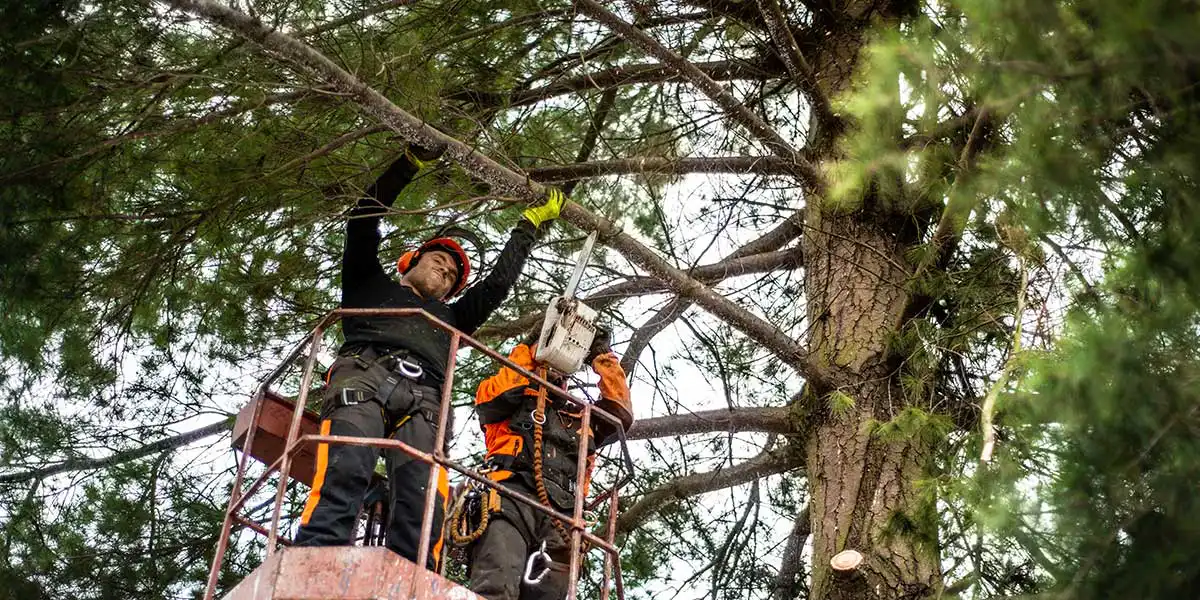
Add two to four inches of mulch around the base, avoiding direct contact with the trunk. Prune dead limbs when branches are easier to inspect, and make sure the ground is properly irrigated.
When Is Tree Removal the Safer Choice?
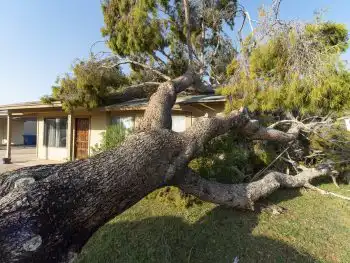
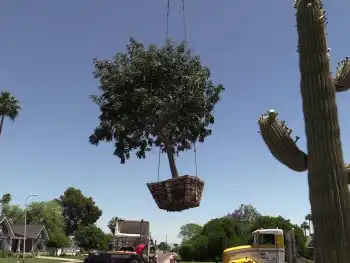
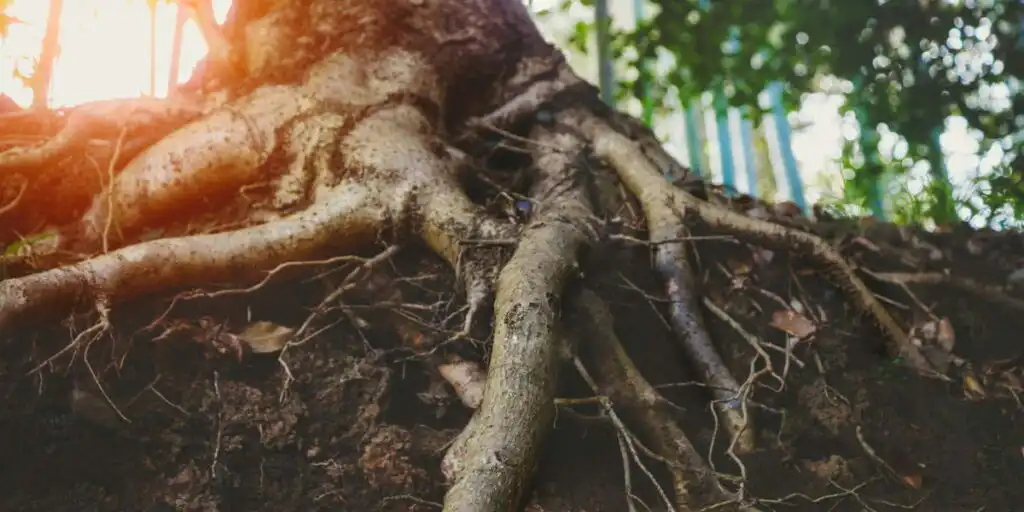
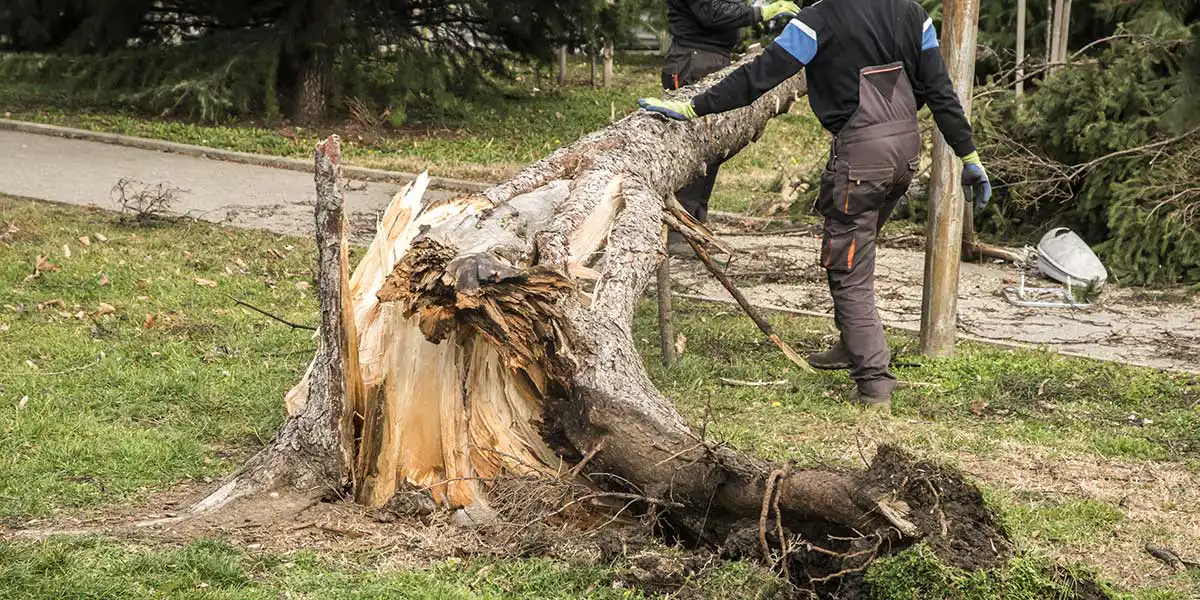
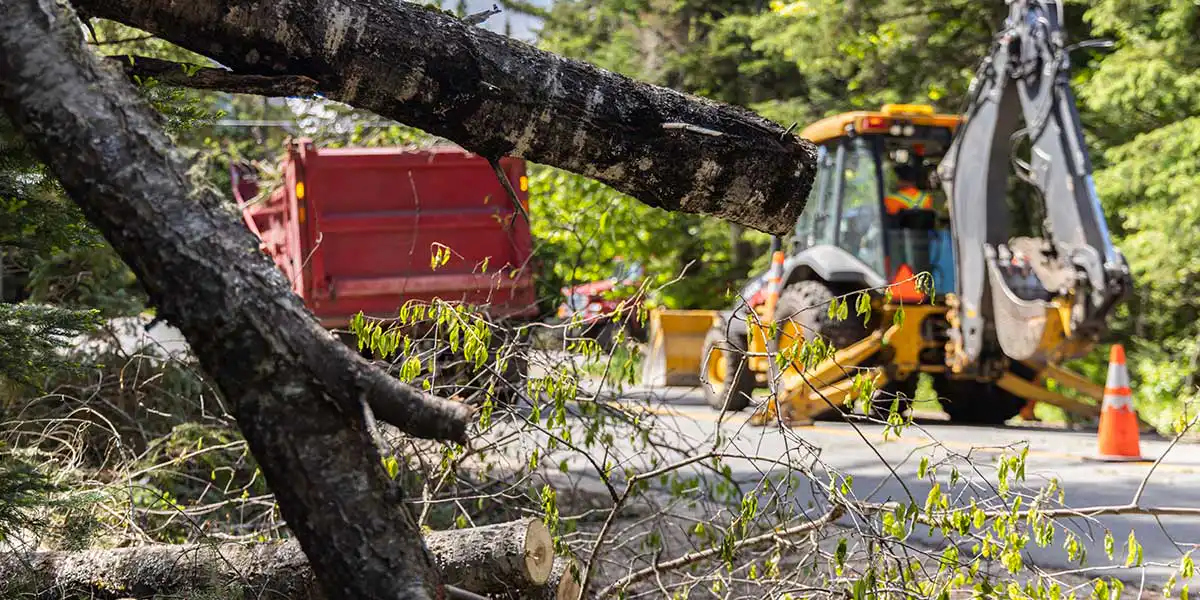
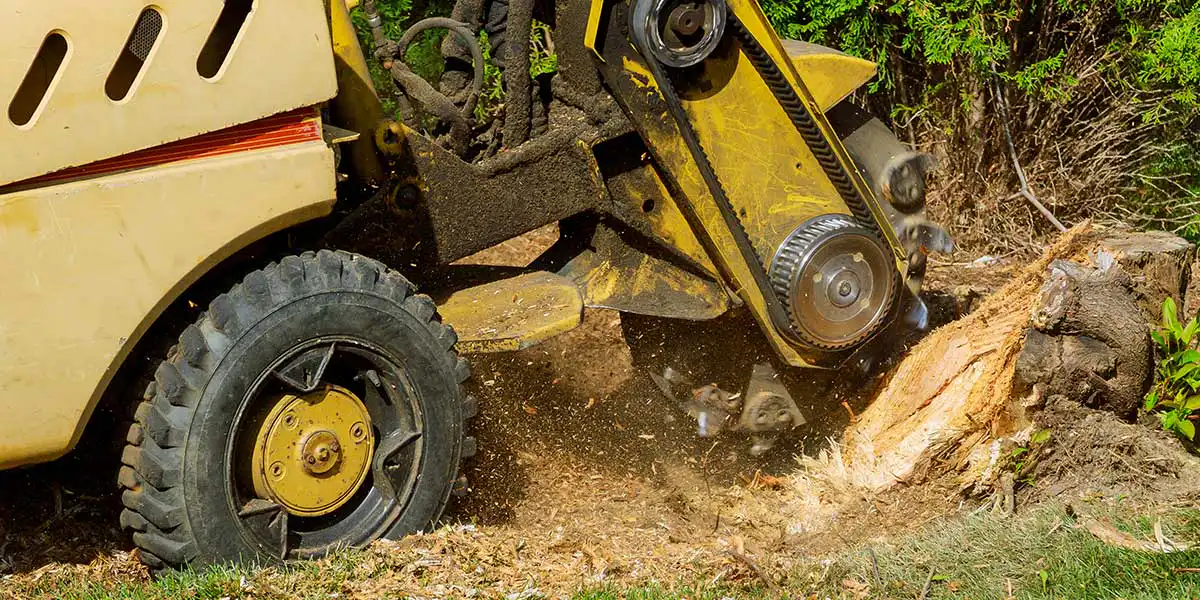
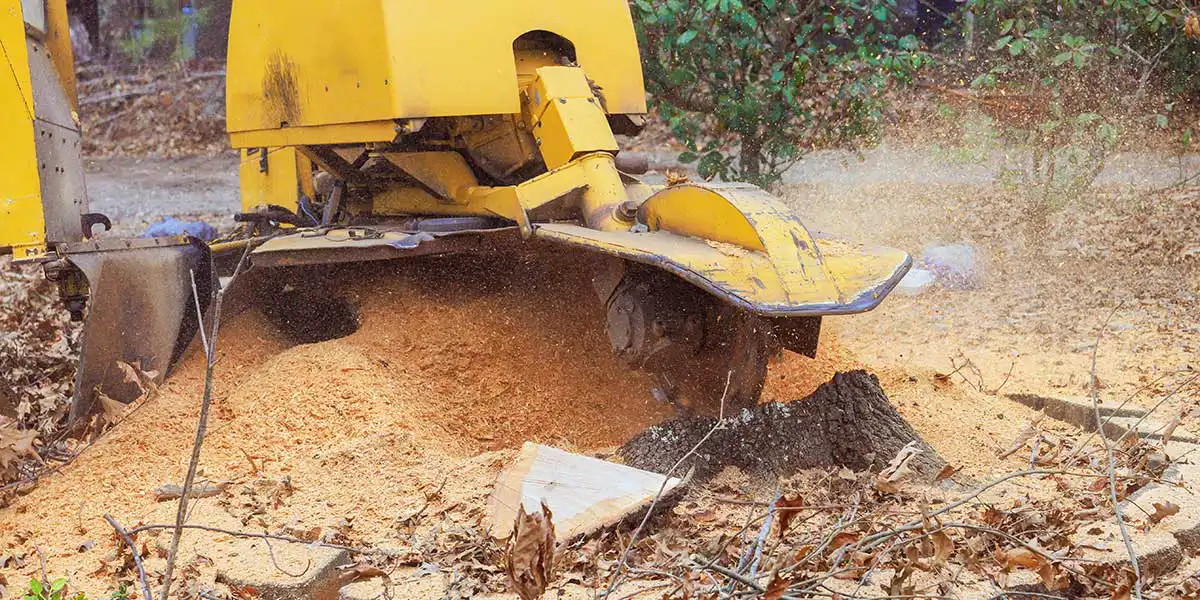
A confirmed dead tree can become unsafe as wood weakens over time. Large dead limbs may fall during high winds, greatly increasing your windstorm risks and damaging nearby property. Severe leaning or lifting roots near the trunk can also signal structural instability. In these cases, removal is often safer than waiting for the problem to worsen.
Trust Design Tree Maintenance for Honest Tree Care
Knowing the answer to “Is my tree dead or dormant?” helps you decide whether care or removal is the more logical choice. Catching warning signs early can save money by helping prevent costly property damage.
If you notice serious warning signs, a professional tree removal assessment can guide you toward an informed decision. Call Design Tree Maintenance today at (623) 587-8170 to get clear answers from a trusted local team.