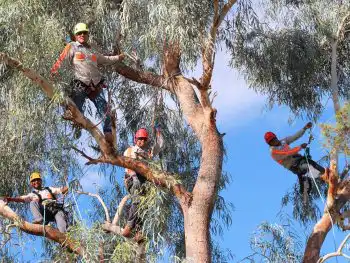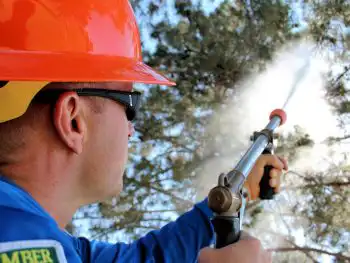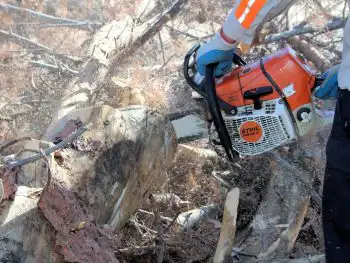
An overgrown tree may seem harmless until its branches stretch above your home or reach across your driveway. This dense growth can conceal weaknesses that leave your family and property at serious risk.
Routine tree trimming in Phoenix helps identify potential problems early, before seasonal storms bring strong, dangerous winds. In this guide, Design Tree Maintenance explains the dangers of an overgrown tree.
How Overgrown Trees Cause Property Damage
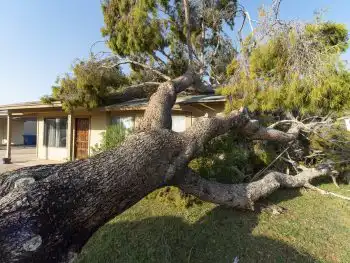
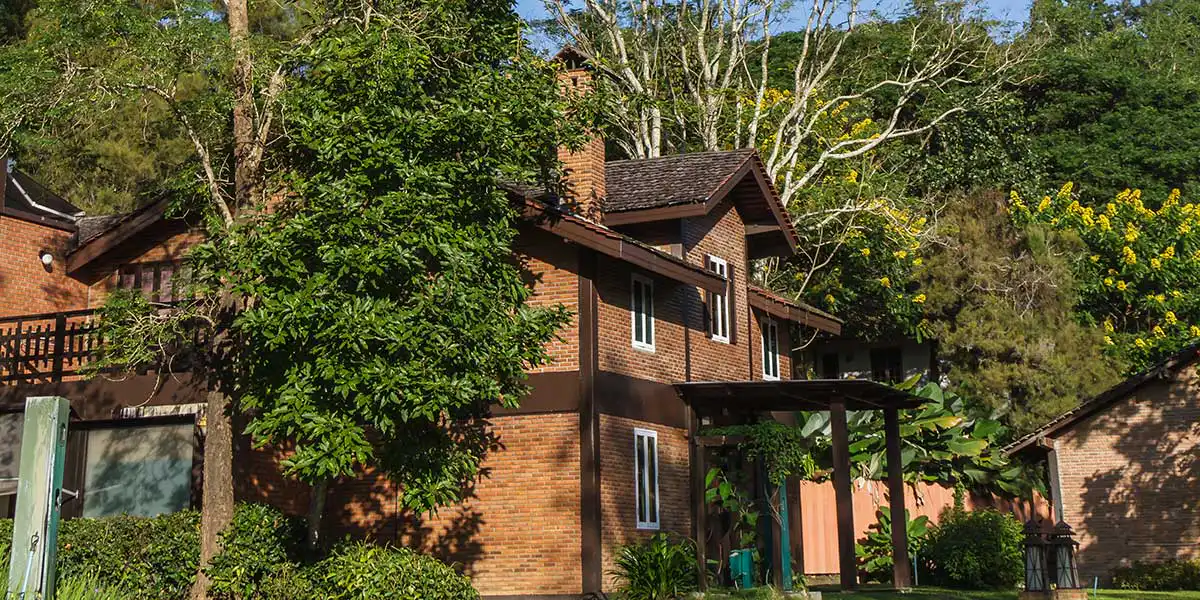
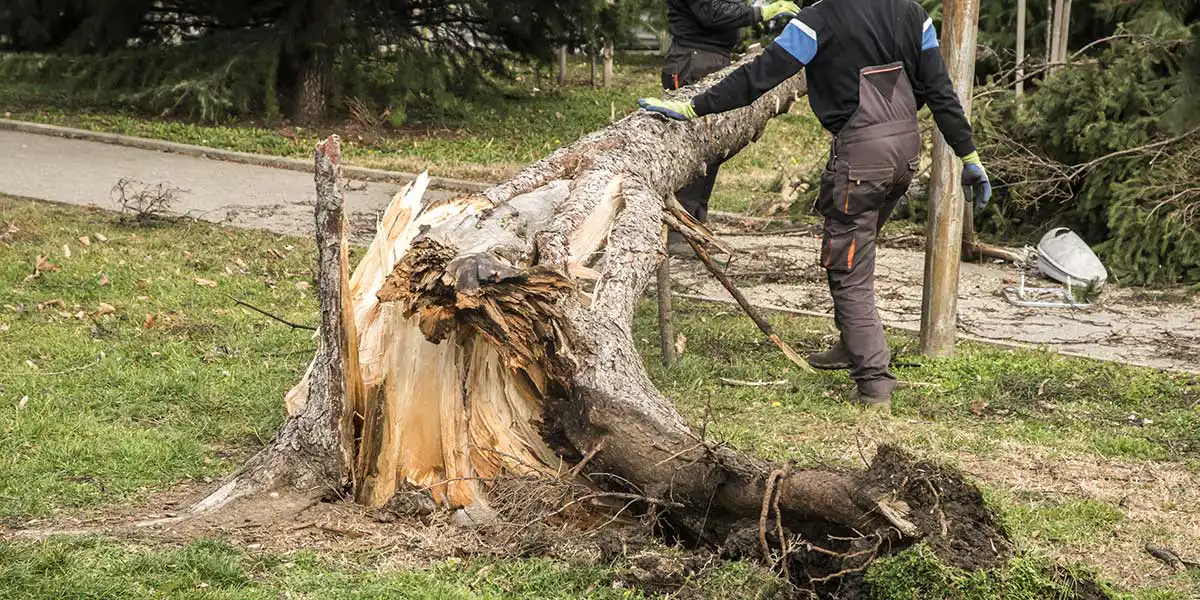
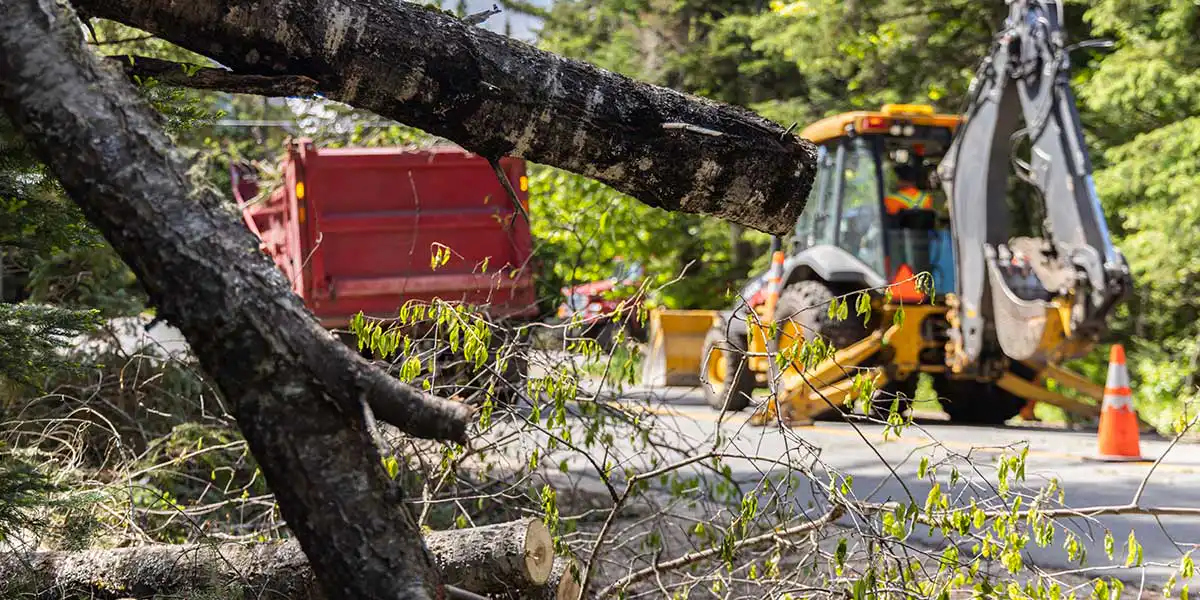
The most immediate danger of an overgrown tree is the property damage it can cause to nearby structures. Dead, weak, or overextended limbs may fall onto roofs or vehicles. Roots may also lift pavement or exploit existing foundation cracks, creating additional repair concerns for Phoenix homeowners.
Wind or a limb’s own weight can send falling tree branches onto people as well. A professional inspection can identify brittle or compromised branches that homeowners may miss.
Power Line Hazards Near Your Home
Trees planted too close to utility lines grow into a serious problem over time. Branches that contact utility wires can cause outages or fires, making power line hazards among the more overlooked dangers of overgrown trees that homeowners face.
Never attempt to trim branches near energized lines yourself; contact the utility company or a qualified tree professional for assistance.
Pest Infestations in Untrimmed Trees
Thick, overgrown branches create shaded, damp pockets where insects thrive. Pest infestations spread fast once beetles or termites find a weakened tree. Pest activity can also weaken wood, create openings where decay develops, and leave the tree less stable over time.
Watch for these signs of a pest problem:
- Sawdust piles: Wood shavings at the trunk’s base
- Bark holes: Small, round openings across the trunk
- Visible insects: Beetles or larvae around bark openings
- Thinning leaves: Sparse patches in the canopy
Recognizing these clues early can help you limit further damage and protect other trees around your property.
How Disease and Pests Cause Structural Tree Damage
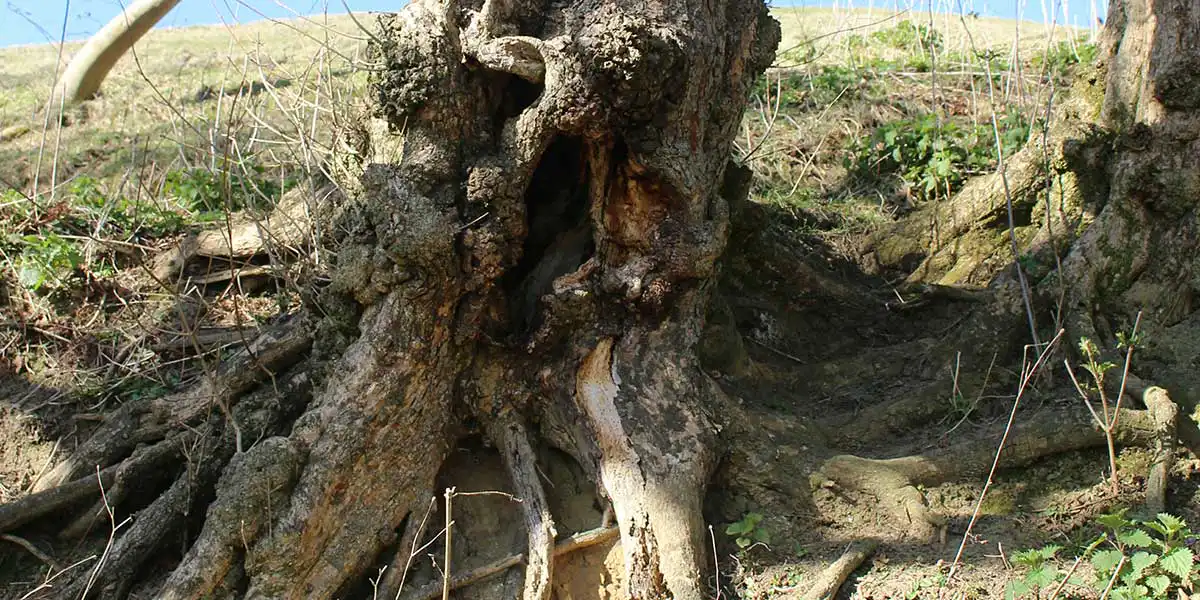
Tree diseases such as root rot and canker may damage the trunk, bark, or branches before the decline becomes obvious in the canopy. Understanding the anatomy of a tree helps homeowners see how the trunk and roots work together to provide stability. If one section suffers damage, the rest can experience decline as well.
Some warning signs are subtle, while others may indicate significant structural decline. Watch closely for:
- A leaning trunk: A noticeable tilt that was not there before
- Cracked bark: Splits or peeling along the trunk
- Trunk cavities: Hollow areas or soft, decaying wood
- Fungal growth: Mushrooms near the roots
If you notice any of these signs, especially several together, ask a professional to evaluate the tree before the damage progresses.
Protect Your Property With Design Tree Maintenance
Design Tree Maintenance, a three-time Phoenix BBB Ethics Award winner rated A+ on HomeAdvisor and Angi, shows homeowners the value of expert tree trimming. The company offers tailored, organic plant care, skilled diagnoses and treatments, plus safe, precise tree removal services. Call (623) 587-8170 to protect your property from the dangers posed by an overgrown tree.