The stump left behind after a tree removal may look harmless. But it softens into the kind of material certain insects look for. Thankfully, stump grinding in Phoenix, AZ, can address that before colonies establish.
Design Tree Maintenance explains how stump grinding helps prevent pest infestations and why the timing of that work affects your results.
What Draws Insects to a Stump?
Wood breaks down as fungi gradually consume cellulose, leaving a damp, decaying tree stump that insects can easily reach from the soil.
Termite infestations often begin in these conditions. Once established, colonies may spread to nearby fence posts or other wooden structures. Wood-boring insects follow a similar pattern, tunneling into softened wood to feed and reproduce before moving to nearby trees.
Warning Signs To Watch For
A stump with active pests usually shows warning signs before the problem spreads. Look for:
- Mud tubes: Thin tunnels along the stump or surrounding soil
- Exit holes: Small round openings in the wood
- Sawdust piles: Fine debris collecting at the base
- Spongy wood: Soft areas that give way under light pressure
Any of the above signs warrants a closer inspection.
Why Grinding Works Better Than Waiting
Decaying tree stumps can take years to decompose, giving wood-destroying pests time to settle in. Grinding removes that material instead of letting it decay naturally.
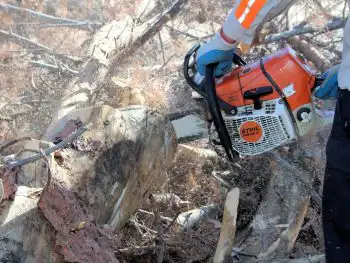
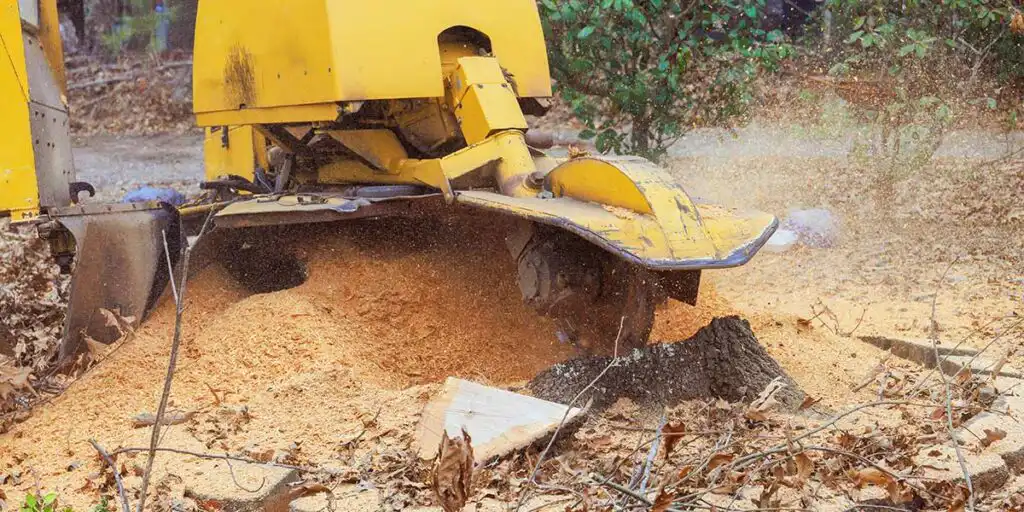
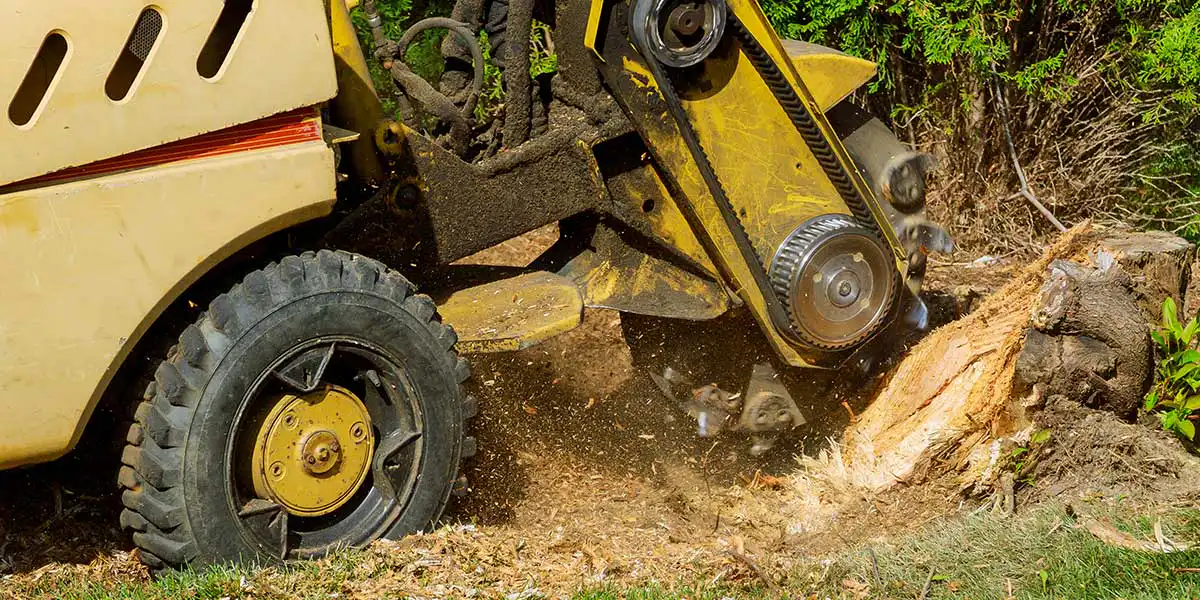
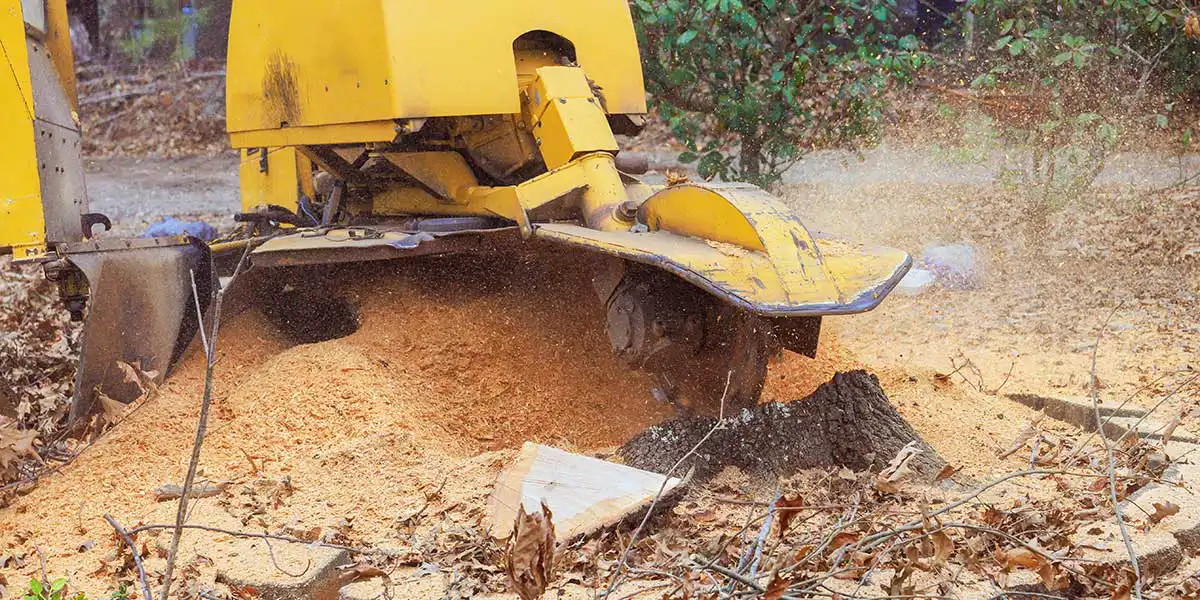
Learning about stump grinding helps homeowners understand what the work involves. A machine grinds the stump below grade, removing much of the shelter and moisture that attract pests. Grinding depth depends on the stump’s size and species, but deeper grinding removes more of the root crown, helping limit re-sprouting and leftover material.
What the Work Involves in Valley Conditions
The stump grinding process starts with locating utilities, assessing site access, and setting barriers to protect nearby property from flying debris. In Phoenix, dry, rocky soil and shallow caliche layers can affect how equipment performs and how long the job takes. After grinding, wood chips should either be hauled away or spread thin to dry, since damp piles can attract pests of their own.
Timing Your Removal
Phoenix’s summer monsoon season accelerates stump decay, creating conditions that attract insects more quickly than during the dry months. For effective pest prevention, removing a stump before the seasonal rains arrive reduces the opportunity for insects to establish and spread. It also leaves the area ready for new landscaping once the old roots and stump are out of the way.
Take the Stump Out Before Pests Move In
Knowing how stump grinding helps prevent pest infestations starts with removing the food source. Without a decaying stump, the area becomes far less attractive to wood-destroying pests looking for food and shelter.
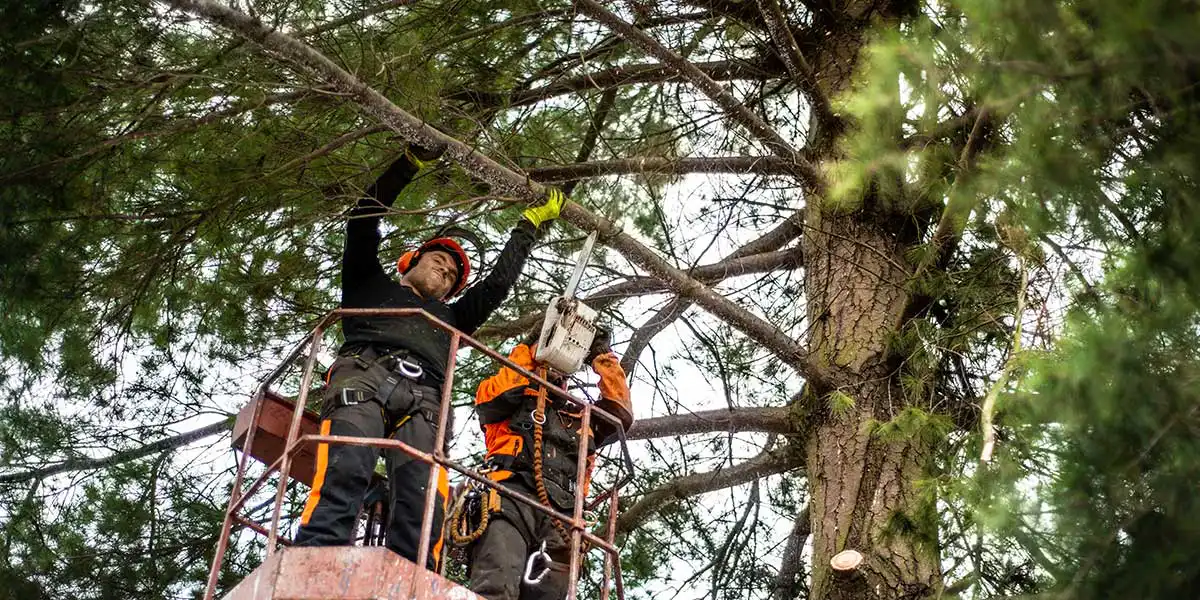
Our team at Design Tree Maintenance handles grinding across the Valley with equipment matched to local soil conditions. We also answer questions like, “How deep does stump grinding go?” to help homeowners choose the right solution. With more than 30 years of local experience, we handle trimming, removal, and plant health care alongside stump work.
Call Design Tree Maintenance at (623) 587-8170 to schedule service in Phoenix, AZ.