
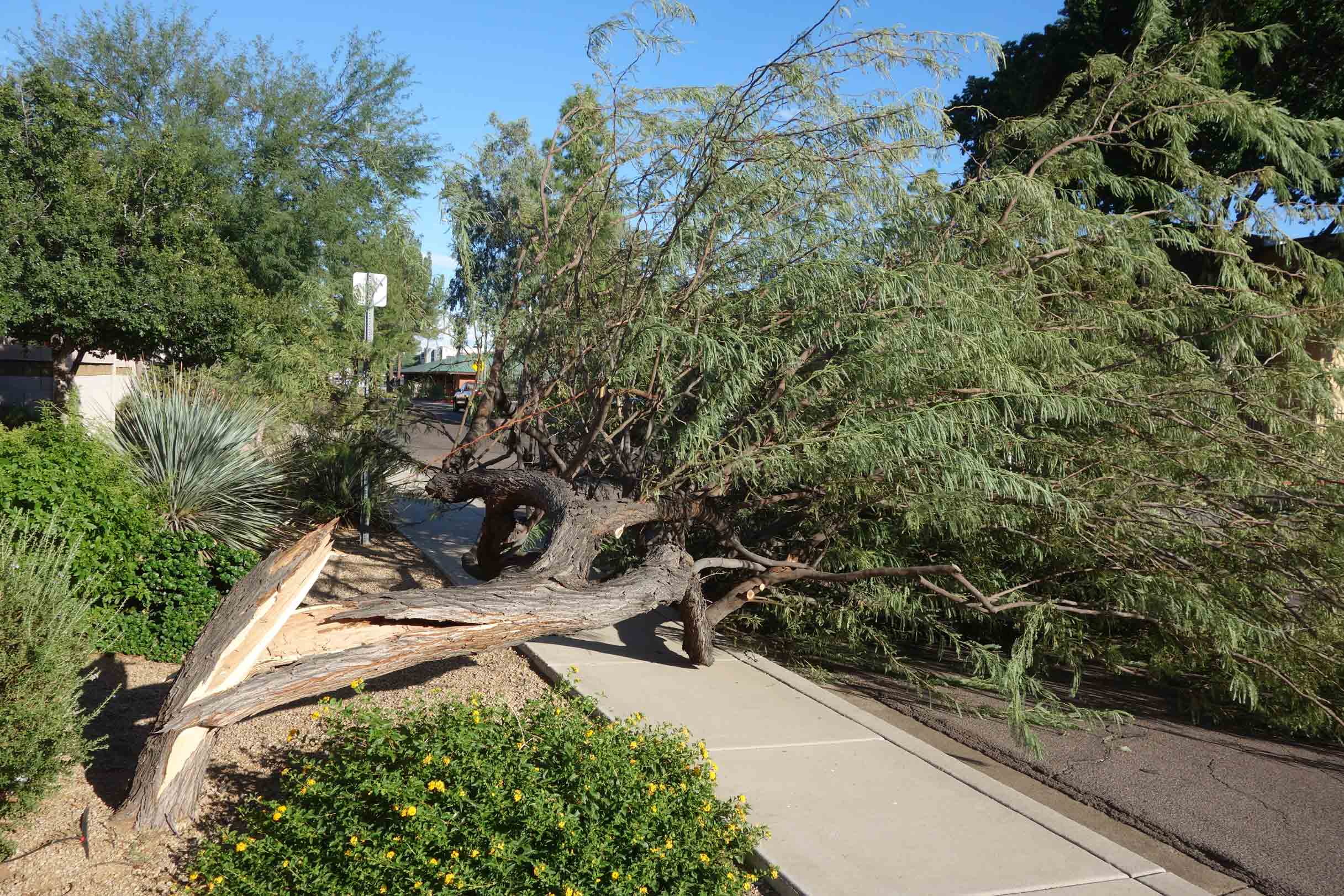
Phoenix weather is unpredictable during the monsoon season. Strong wind gusts can twist branches, loosen roots, and split trunks. Even if a tree still looks upright, it may not be stable. While some damage is obvious, other problems may be hidden and worsen over time.
Knowing how to identify storm damage on trees and when to call for emergency tree services helps you make informed decisions and avoid expensive repairs.
How Prompt Emergency Tree Service in Phoenix, AZ, Can Save the Day
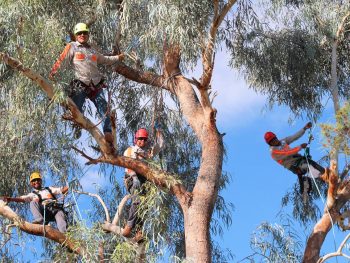
After severe weather hits, quick action can save your favorite shade tree. If the tree looks battered, calling an emergency tree service in Phoenix, AZ, can prevent escalating dangers, like falling branches or complete tree failure.
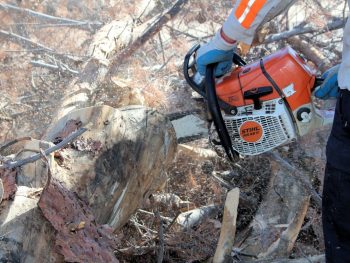
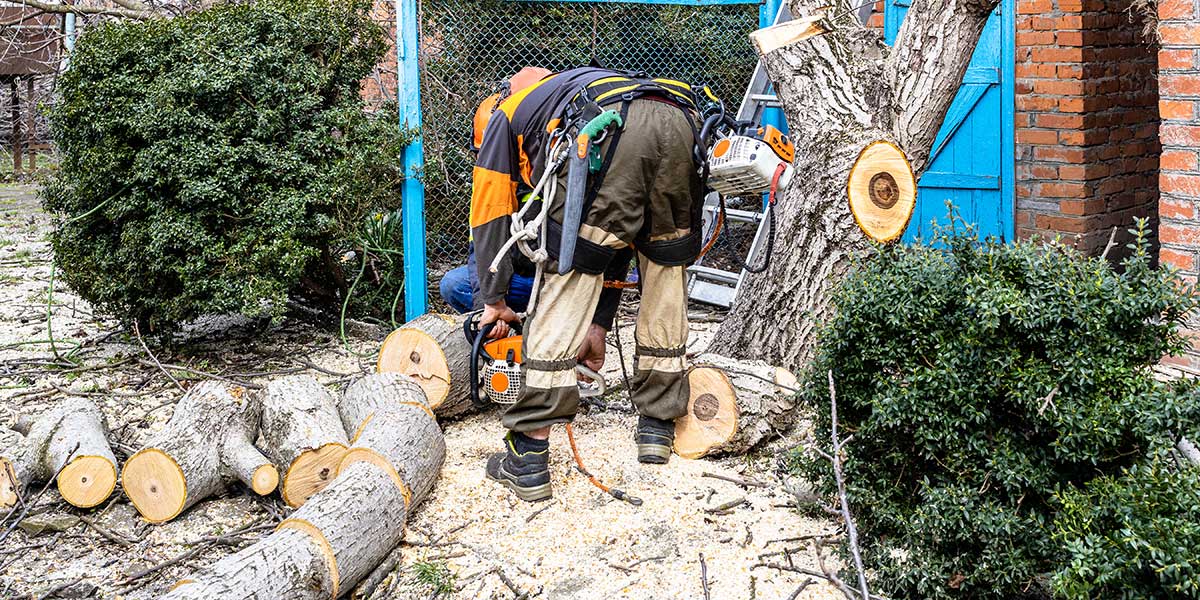
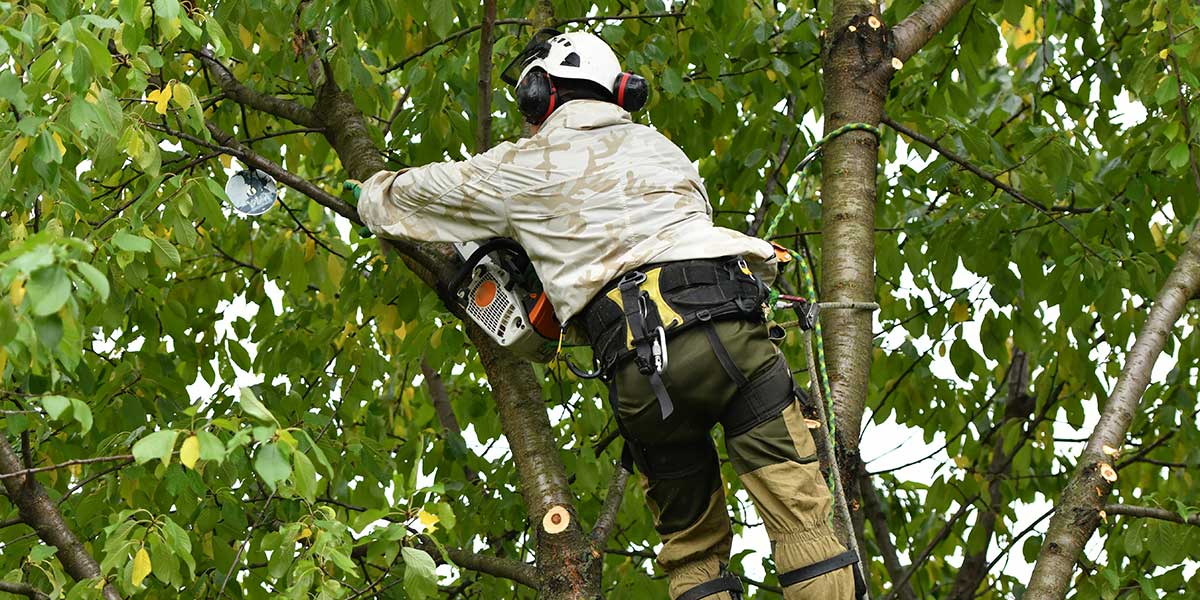
Trying to clean up or remove the tree yourself can be dangerous; storm-damaged trees can shift unexpectedly, especially after high winds or heavy rain. Delayed action can lead to rot or a pest infestation, turning a fixable issue into a costly removal. When you call a local tree service, the professionals will arrive ready to assess the situation, stabilize the tree, and safely remove hazards without causing more yard chaos.
Signs of Storm Damage on Trees
So what are common indicators of wind or storm damage on trees that you should check for after bad weather?
Broken and Hanging Branches
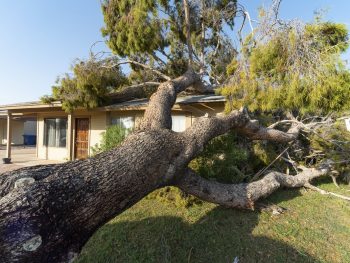
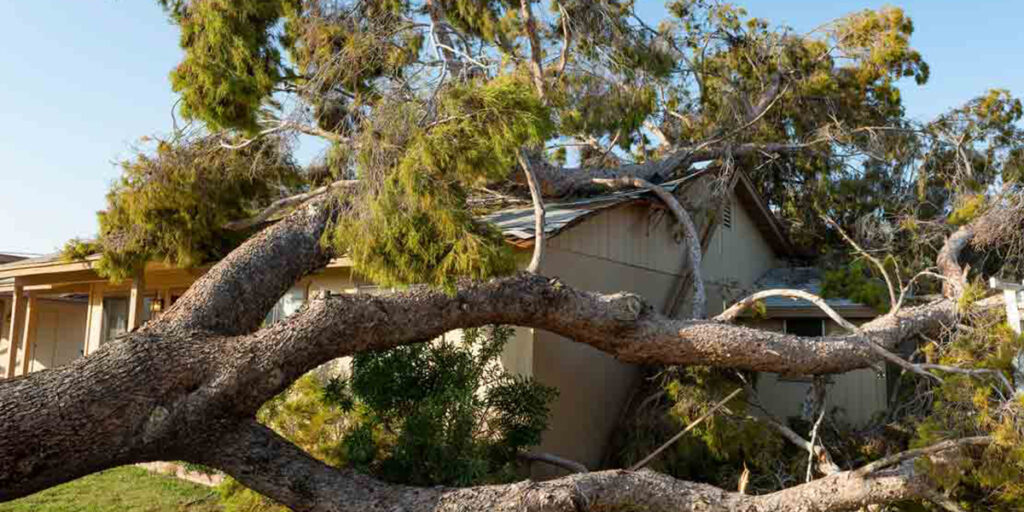
Broken or hanging limbs are a surefire sign that a tree was damaged by a storm. Large branches snapped by strong winds may remain suspended in the canopy and fall without warning, but even smaller limbs that are only partially torn can weaken the tree’s structure.
When assessing storm-damaged trees, inspect the upper canopy. If branches are tangled, drooping, or resting on power lines, professional help is necessary.
Trunk Damage
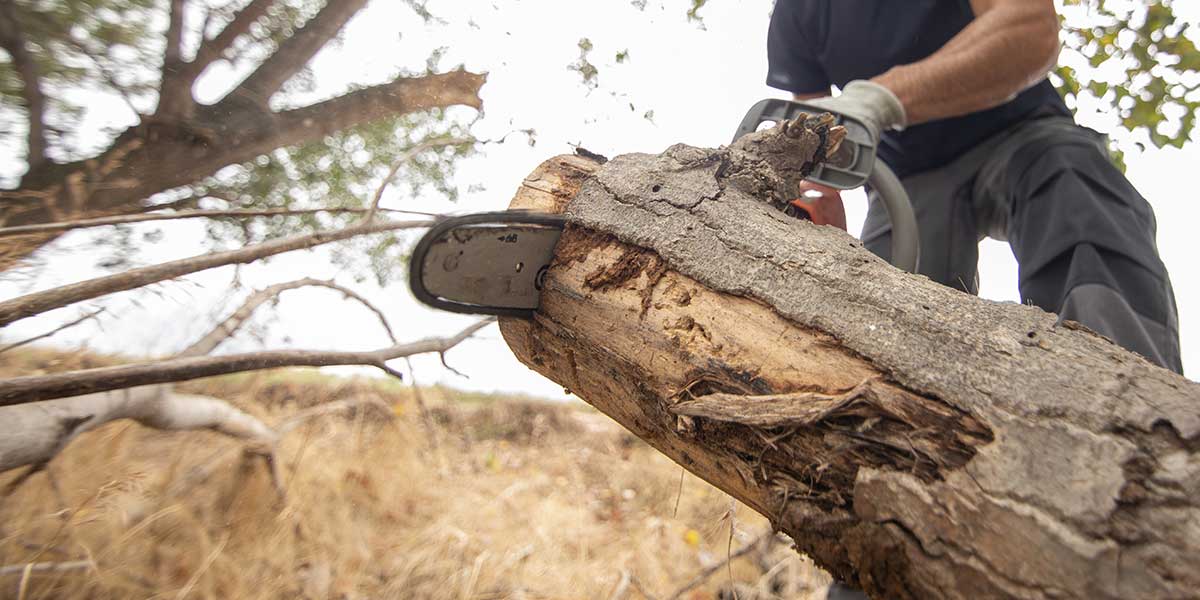
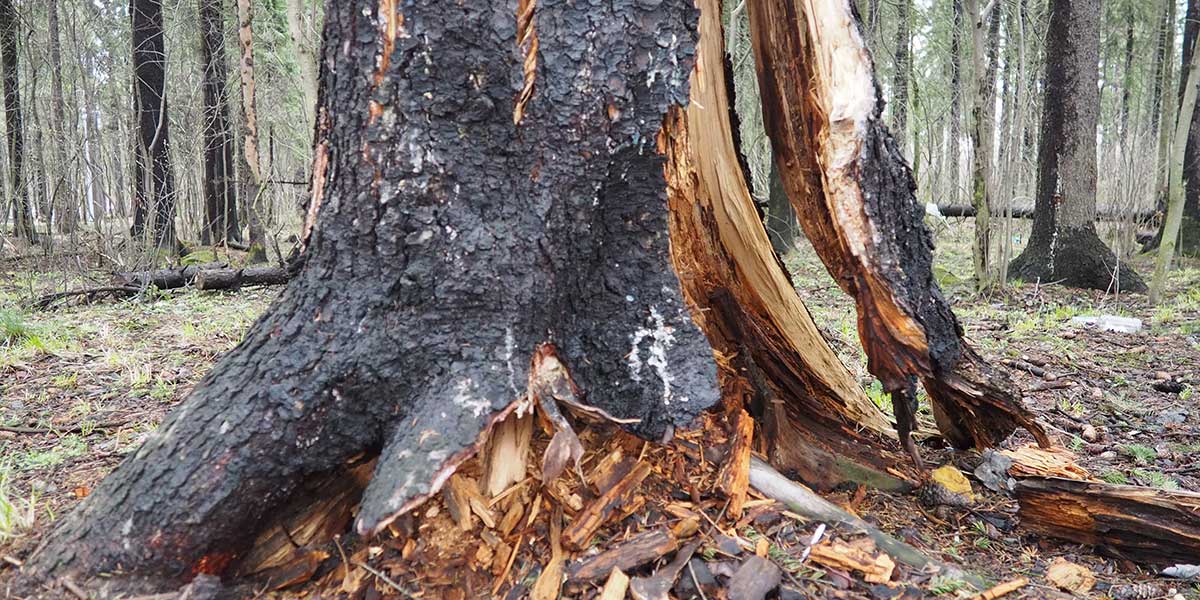
Storms often cause vertical cracks or splits in the trunk. Lightning strikes, high winds, or heavy limbs snapping back against the trunk can leave deep wounds. These injuries may not cause immediate failure, but they could eventually weaken the tree.
When checking out the tree, check for:
- Long cracks running up or down the trunk
- Bark peeling away
- Newly exposed fresh wood
- Sudden loss of large sections of the canopy
While it’s easy to know how to identify storm damage on trees’ bark, internal damage isn’t always visible from the outside. A tree may only appear to have minor external damage while suffering internal fractures. An evaluation by a professional who knows what to look for when assessing storm-damaged trees can determine whether the tree can bounce back or if removal is safer.
Leaning and Root Problems
When you’re trying to figure out how to identify storm damage on trees, examine the base. Phoenix’s sandy soils can loosen roots during monsoons, causing the entire tree to tilt.
When inspecting trees after a storm, walk around the trunk and look for:
- Exposed roots
- Fresh soil mounds
- Gaps between the soil and trunk
- Tilting or shifting
These signs of storm damage on trees can signal structural instability.
Delayed Damage
Understanding how to identify storm damage on a tree includes watching for changes in growth patterns. A once-full canopy that now looks uneven needs attention.
Not all storm damage shows up right away. It can be weeks after a storm before the tree starts dropping leaves or shows thinning in certain areas. This delayed response can signal stress or root damage.
Wilting foliage or unusual leaf drop outside seasonal norms might signal internal injuries from storage stress. If branches fail to produce leaves in the spring or appear dry while other sections remain green, there may be hidden issues. Continue monitoring trees long after the storm clouds clear, as early intervention can often save a tree before problems escalate.
Prevent Future Issues With Routine Inspections
Once you’ve learned how to inspect trees after a storm, build habits to stay ahead. Trim weak branches before the monsoon season hits, and plant wind-resistant species like mesquite or palo verde suited to Phoenix conditions. Regular inspections help you spot early signs of tree removal and prevent small problems from growing, ensuring your trees withstand Arizona’s wild weather.
Call the Design Tree Maintenance Professionals for Post-Storm Help
While you might be able to handle minor storm debris on your own, larger concerns require professional care. If you find large broken limbs, a leaning trunk, visible root damage, or branches near power lines, call for help.
Knowing about the dangers of tree damage from monsoons and other weather events gives you confidence, but a professional assessment ensures safety. If you’re worried, contact Design Tree Maintenance at (623) 587-8170.