
Maintaining healthy, beautiful trees takes work, especially in Arizona’s desert heat. It’s not just about watering and fertilizing, though. Trees need regular trimming to maintain a healthy shape and stay safe, but when is the best time to trim a tree?
Timing this service correctly matters more than you might think. Scheduling tree trimming services at the wrong time can do more harm than good, leaving the tree vulnerable to weakness, pests, and disease. Planning for the ideal window for trimming helps your trees stay strong and look their best year after year.
Why Tree Trimming in Phoenix, AZ, Demands Special Attention
Phoenix’s arid climate creates unique challenges that homeowners in wetter regions never face. Desert trees face scorching summers and occasional freezing nights, so strategic tree trimming in Phoenix, AZ, requires understanding how these extremes affect plant growth and recovery.
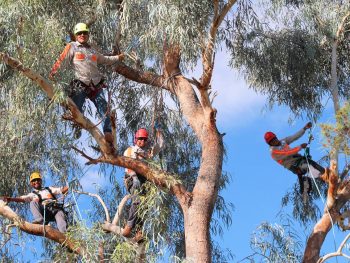
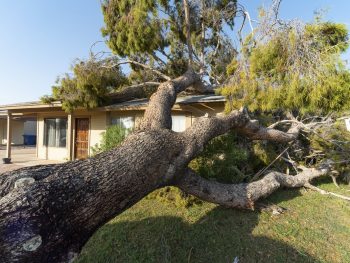
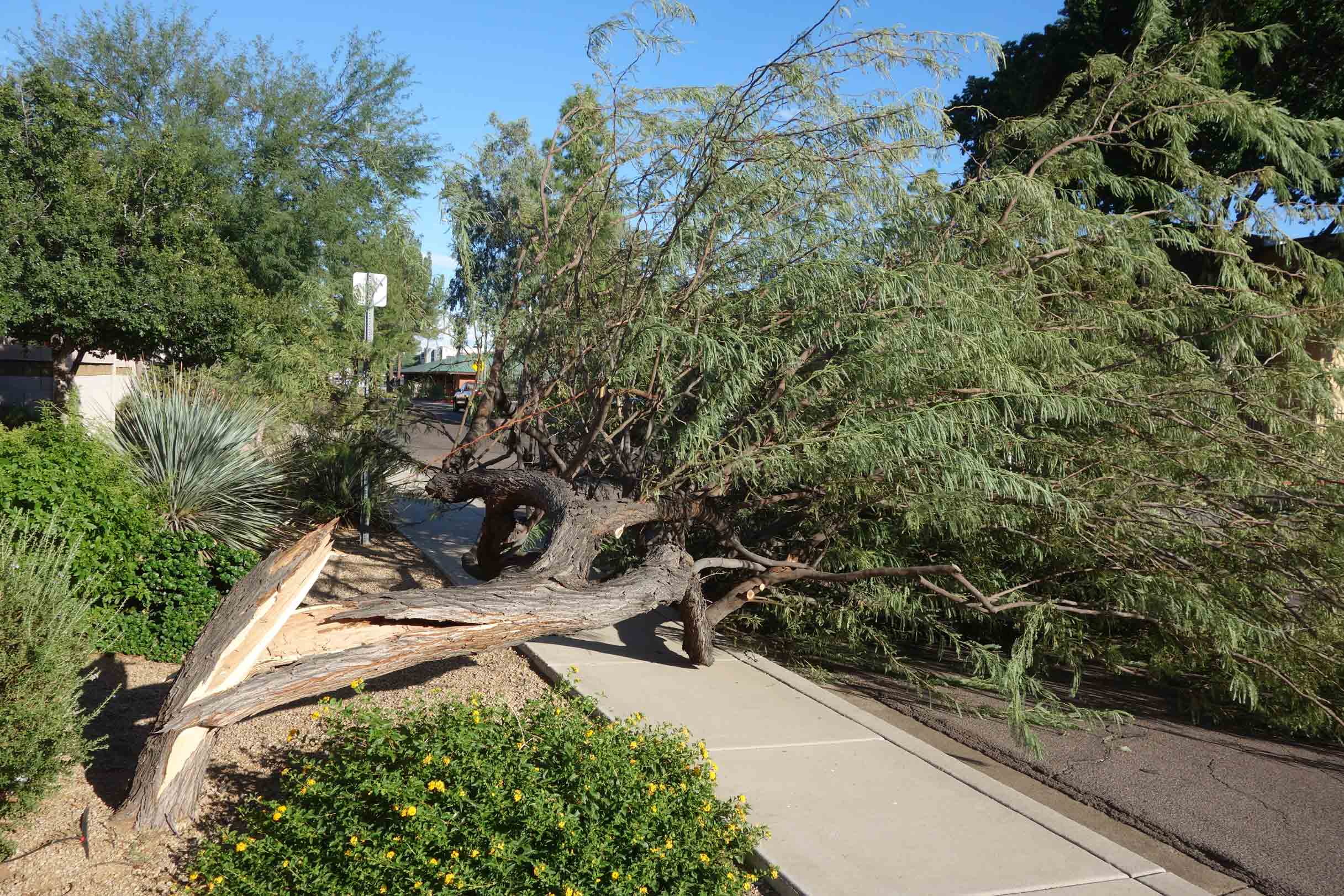
Tree trimming services remove weak or crowded branches to support healthy growth and reduce the risk of disease. They help trees withstand extreme heat, sudden storms, and dry soil, improving their health, safety, and curb appeal. Trimming also reduces the likelihood of falling limbs during monsoon winds, protecting roofs, vehicles, and walkways.
Beyond safety, well-shaped trees boost curb appeal and property value. A properly maintained landscape looks cleaner, more balanced, and inviting. Ultimately, consistent trimming keeps trees resilient and homes looking their best year-round.
When To Trim Trees for Healthy Growth Throughout the Year
Tree trimming is meant to help trees, but cutting branches at the wrong time may leave them vulnerable to sun damage, pests, or disease. That said, knowing when the best time to trim a tree is depends on the species, its age, and its health.
For most trees, late winter through early spring is the safest and most effective time to trim. Many trees are still dormant or just beginning new growth at this point, and trimming before the heat of summer allows wounds to heal properly and encourages strong, healthy branching.
Certain species also respond well to light maintenance trimming in the fall. However, avoid heavy trimming right before monsoon season, as removing too much canopy can make a tree more vulnerable to storm damage rather than strengthening it. Summer trimming is also a no-go, except for emergencies. The combination of extreme heat and fresh cuts will stress most species.
Keep in mind that each tree species has its own seasonal tree trimming guidelines. Citrus trees, for example, are often trimmed after fruit harvest. This is why working with professionals who understand local growing patterns and the best time to trim a tree is important.
How Often Should You Trim Your Trees?
The ideal tree trimming frequency also depends on several factors.
Young trees benefit from annual attention as they establish their structure, while mature trees may only need work every three to five years. Fast-growing species like mulberry or Arizona ash require more frequent visits than slow growers. Trees near structures or power lines also need more regular maintenance for safety.
Signs Your Tree Needs Immediate Attention
While seasonal tree trimming is best, some situations cannot wait. Call for service if you notice:
- Cracked or hanging branches
- Limbs touching your roof or power lines
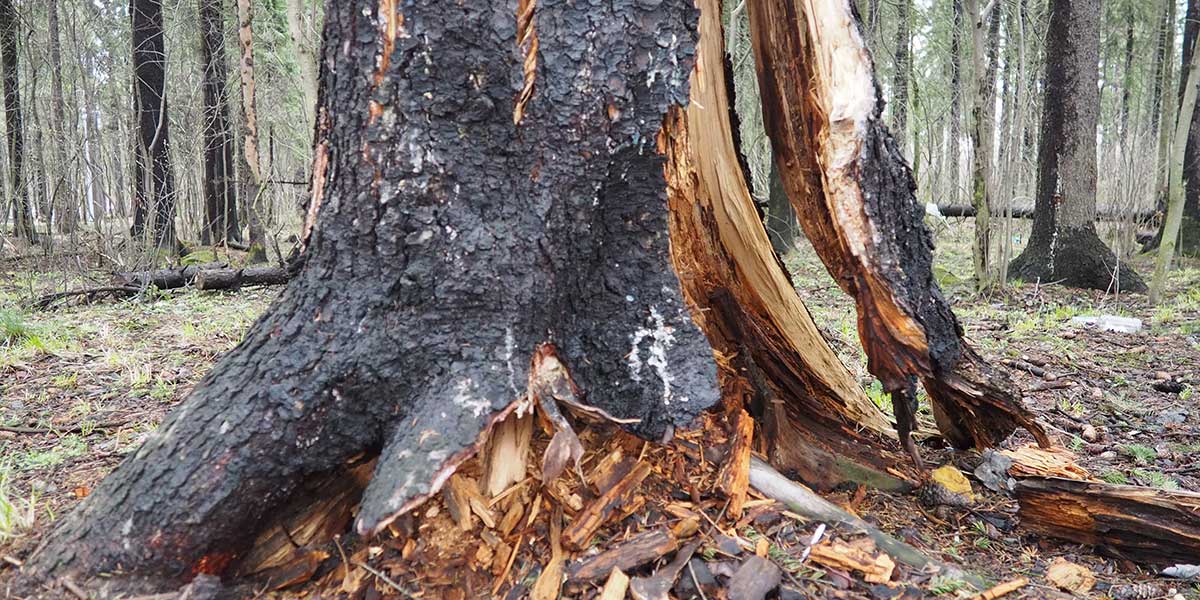
- Large dead sections
- Storm damage
- Unbalanced growth
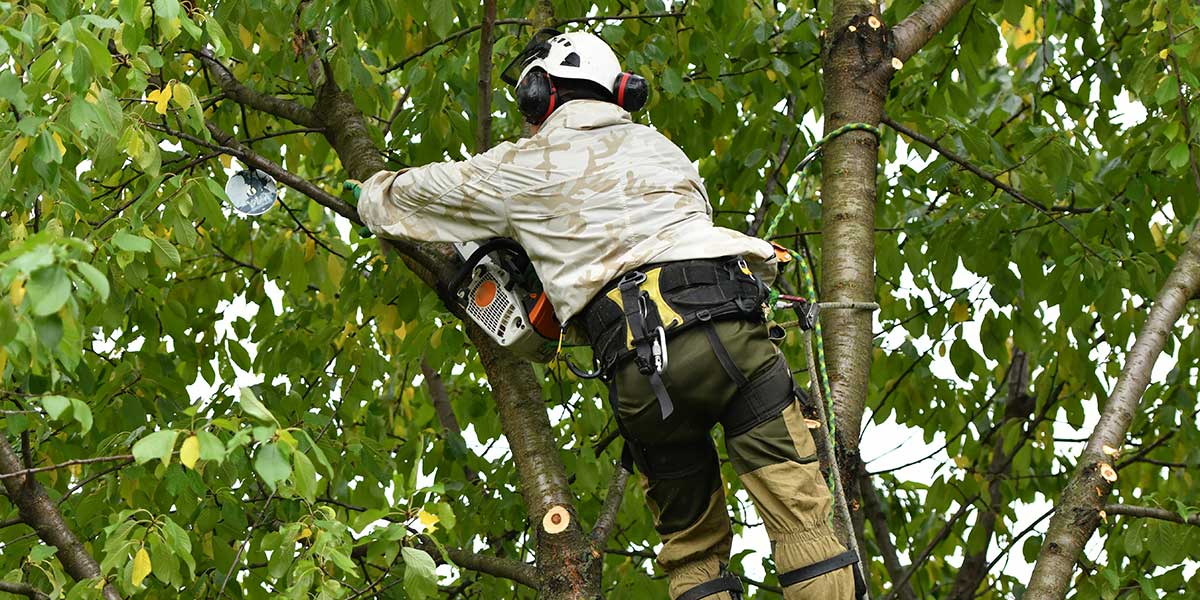
In these cases, safety comes first. A trained crew can evaluate the situation and recommend the right solution.
Trimming vs. Pruning: What Is the Difference?
Homeowners often hear the terms “trimming” and “pruning” used interchangeably. While they’re similar, there is a slight difference. Trimming usually refers to cutting back overgrown branches to improve appearance and control size. Pruning focuses more on removing dead, damaged, or diseased limbs to improve structure and health.
Both play a role in maintaining strong trees. The best time of year to trim a tree may not always match the ideal timing for tree pruning if there is storm damage or a safety issue. Dead or hazardous branches should be removed promptly, regardless of the season.
Understanding trimming vs. pruning helps homeowners make informed decisions about how often to trim their trees and what type of service is needed.
Partner With Professionals Who Understand Phoenix Trees
Understanding the importance of tree trimming helps protect both your property and your landscape investment, but when is the best time to trim a tree? For most Phoenix homeowners, late winter and early spring offer ideal conditions, with additional light maintenance as needed throughout the year.
For professional guidance and reliable care, contact Design Tree Maintenance at (623) 587-8170. One quick call can help you schedule service at the right time and enjoy safer, stronger trees year-round.